North East Africa Theological Seminary
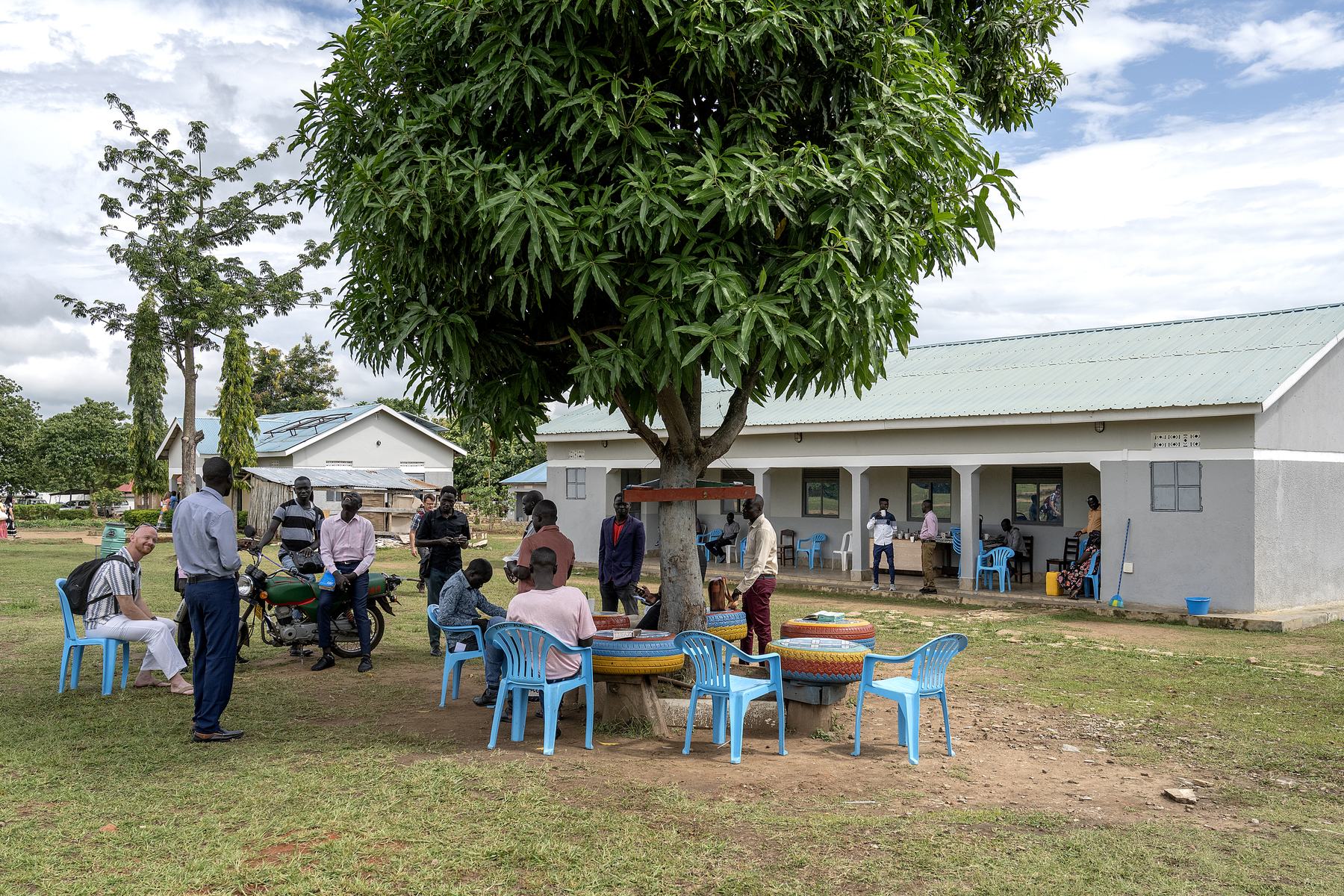
It started under the trees.
In 2007, seventeen students and three teachers began a Bible school in Kajo Keji with no building. Their graduates now serve across five countries.
Kajo Keji · South Sudan · Est. 2007
01 · The Beginning
Where NEATS came from
Seventeen students. Three teachers. No building.
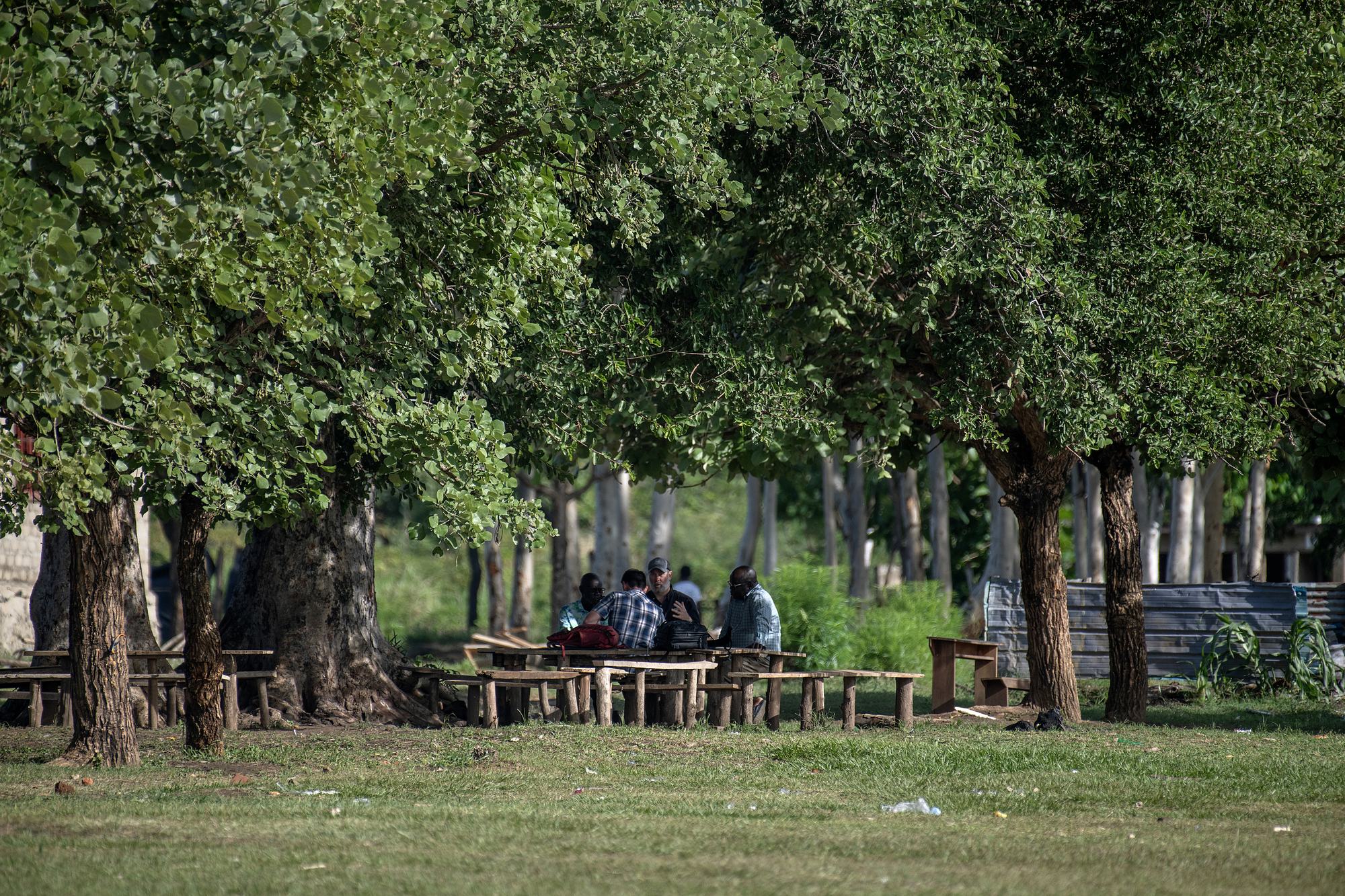
In March of 2007 there was no classroom to open. Seventeen students and three teachers gathered under a cluster of trees in Kajo Keji, South Sudan, and opened their Bibles. They wanted to carry the gospel to the unreached people of Sudan and South Sudan, and they began with what they had: shade, Scripture, and one another.
That first class became the North East Africa Theological Seminary. Everyone calls it NEATS. The trees are still standing, and the campus grew up around them.
“Unless the Lord builds the house, those who build it labor in vain.”
Psalm 127:1
02 · The Model
How students are formed
Trained on campus. Tested at home.
2 Timothy 2:2, in practice.
“What you have heard from me in the presence of many witnesses, entrust to faithful men who will be able to teach others also.”
2 Timothy 2:2
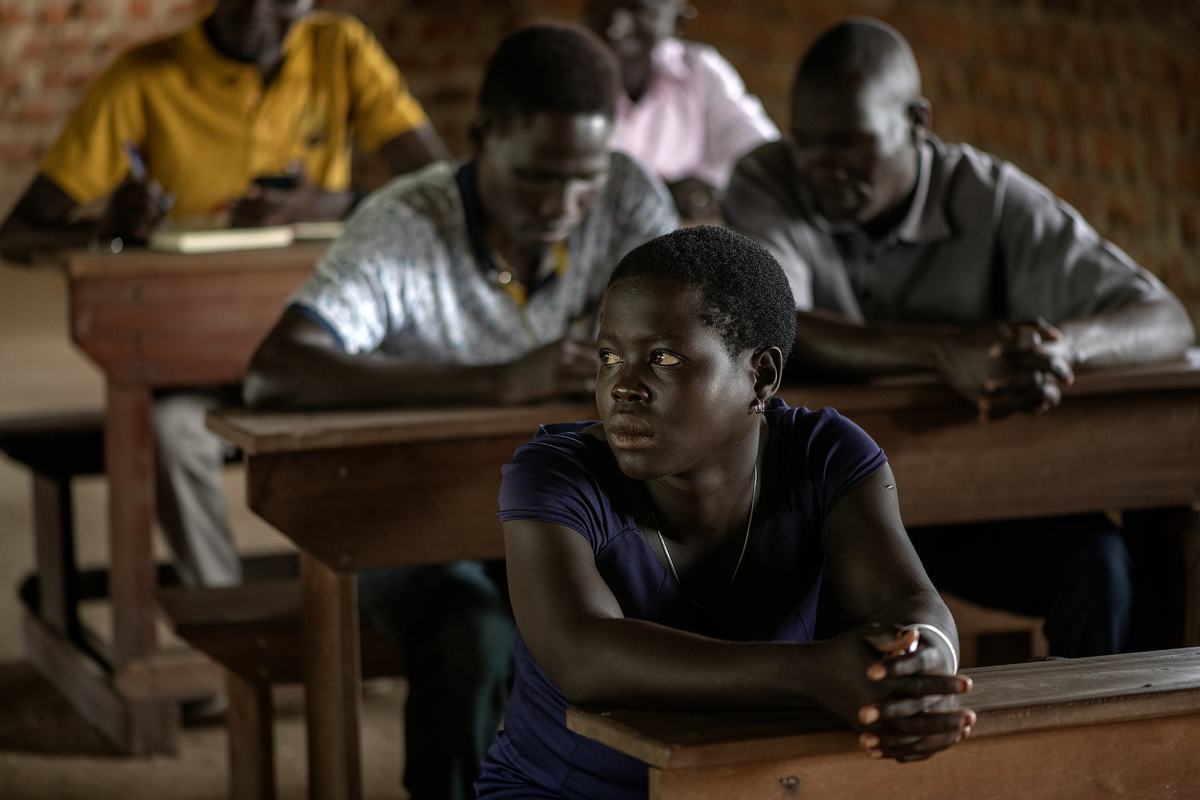
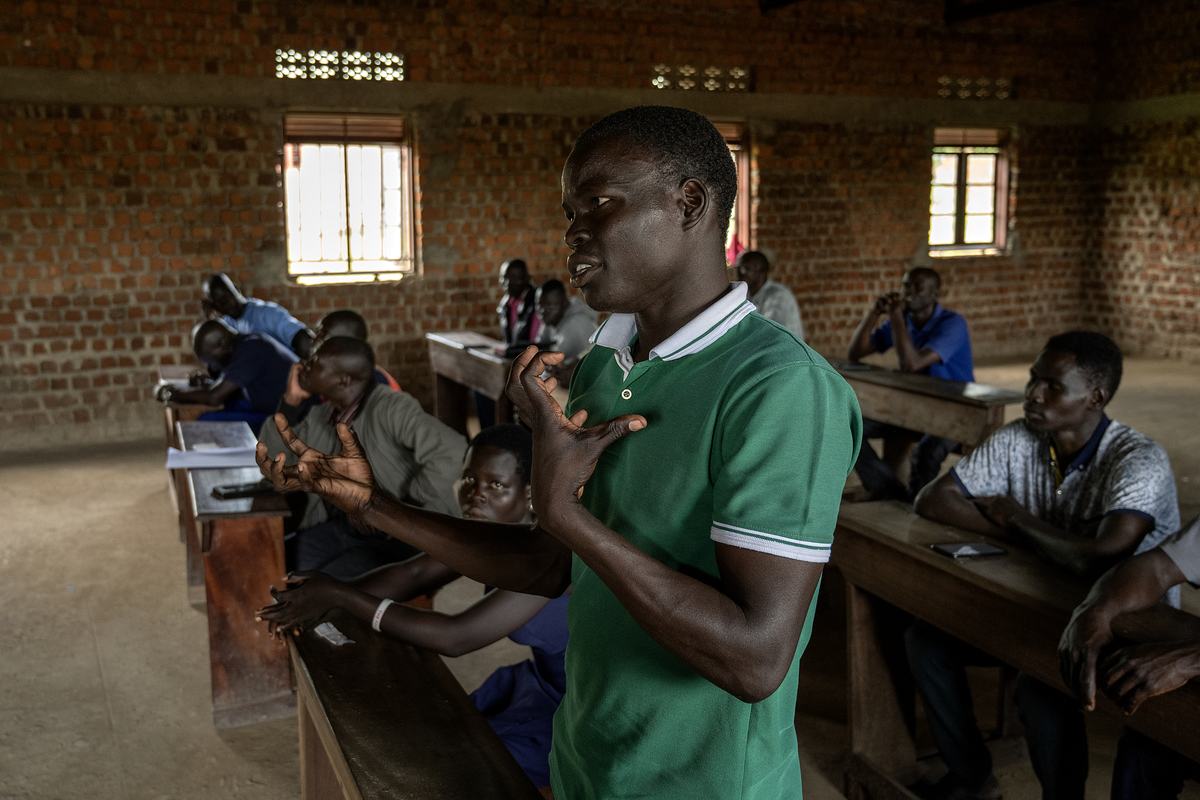
Students live on campus for their coursework and return home between terms to put the teaching to work in their own congregations, across a two-year Certificate or a four-year Diploma. The classroom and the congregation take turns shaping them.
The teachers are pastors and church planters themselves. What they have received, they entrust to faithful men and women who will teach others also. The whole school runs on 2 Timothy 2:2.
And no one graduates on exams alone. Before a student walks the graduation line, they must take part in planting a real church.
Sent by a local church
Every student arrives because a church that knows them chose them and is waiting for their return.
Formed by Scripture
Genesis through Revelation, with Greek, doctrine, homiletics, and courses on Islam and African Traditional Religion.
Tested in the field
Between terms, students apply what they have learned in the congregations that sent them.
Must plant to graduate
Every graduate has helped plant at least one church before receiving a diploma.
03 · The Multiplication
Where graduates go
The graduates became the movement.
More than a thousand leaders have been trained, commissioned, and sent from Kajo Keji since 2007. They serve in five countries today, some in regions where Christianity was once banned, and wherever they go, NEATS graduates are known for their knowledge of sound biblical doctrine. One hundred eighty students are enrolled for the 2025–2026 term.
NEATS graduates are the backbone of the Flagship Church Multiplication Centers, and every Flagship hosts a NEATS Extension Center, each training 30 or more church planters a year close to the people they serve. Vision 2032 calls for fifteen Flagships across South Sudan, Sudan, and DR Congo. NEATS is where their leaders will be trained, and the campus is already full: the school turned away more than 300 applicants this year for lack of space.
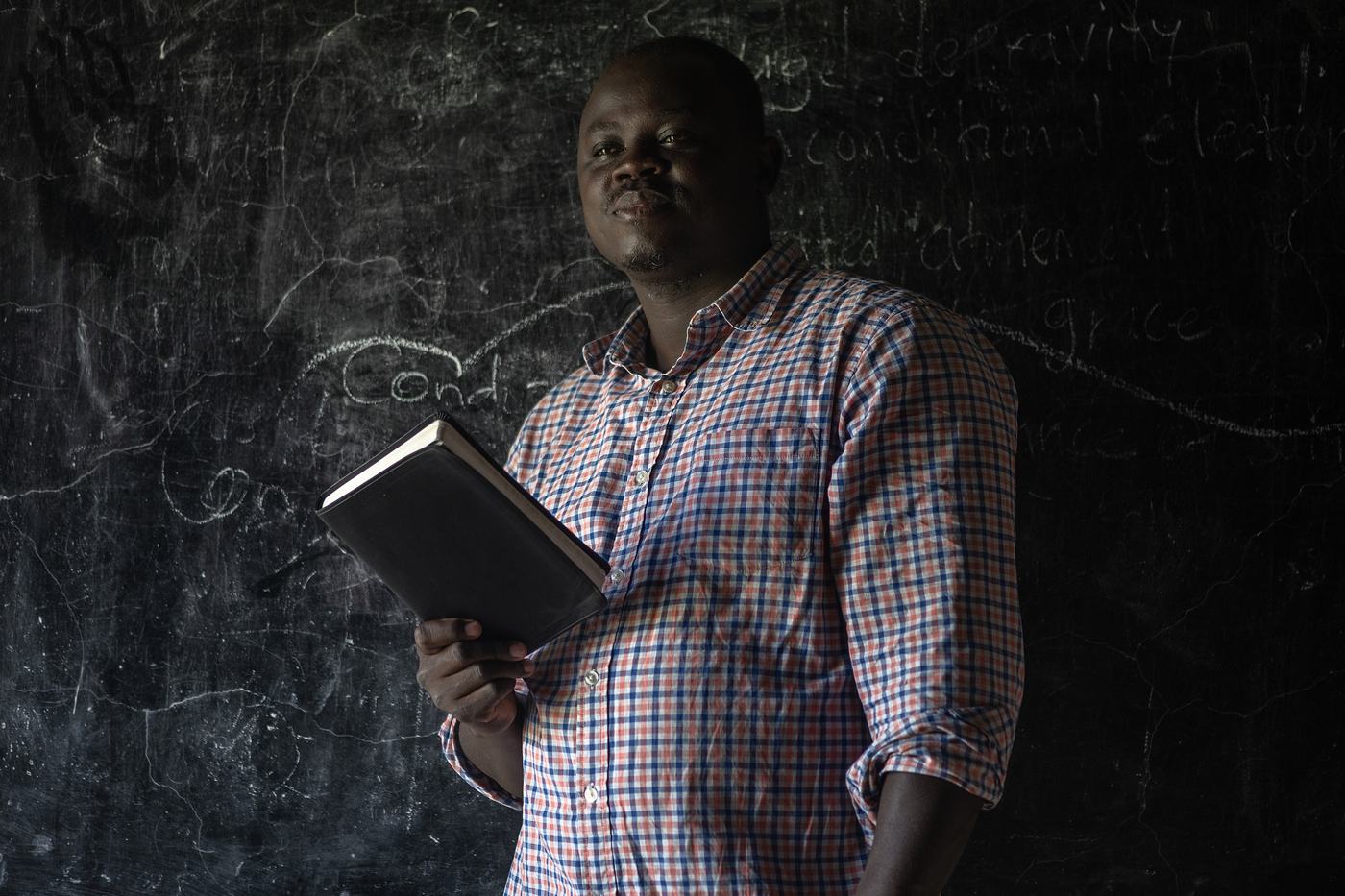
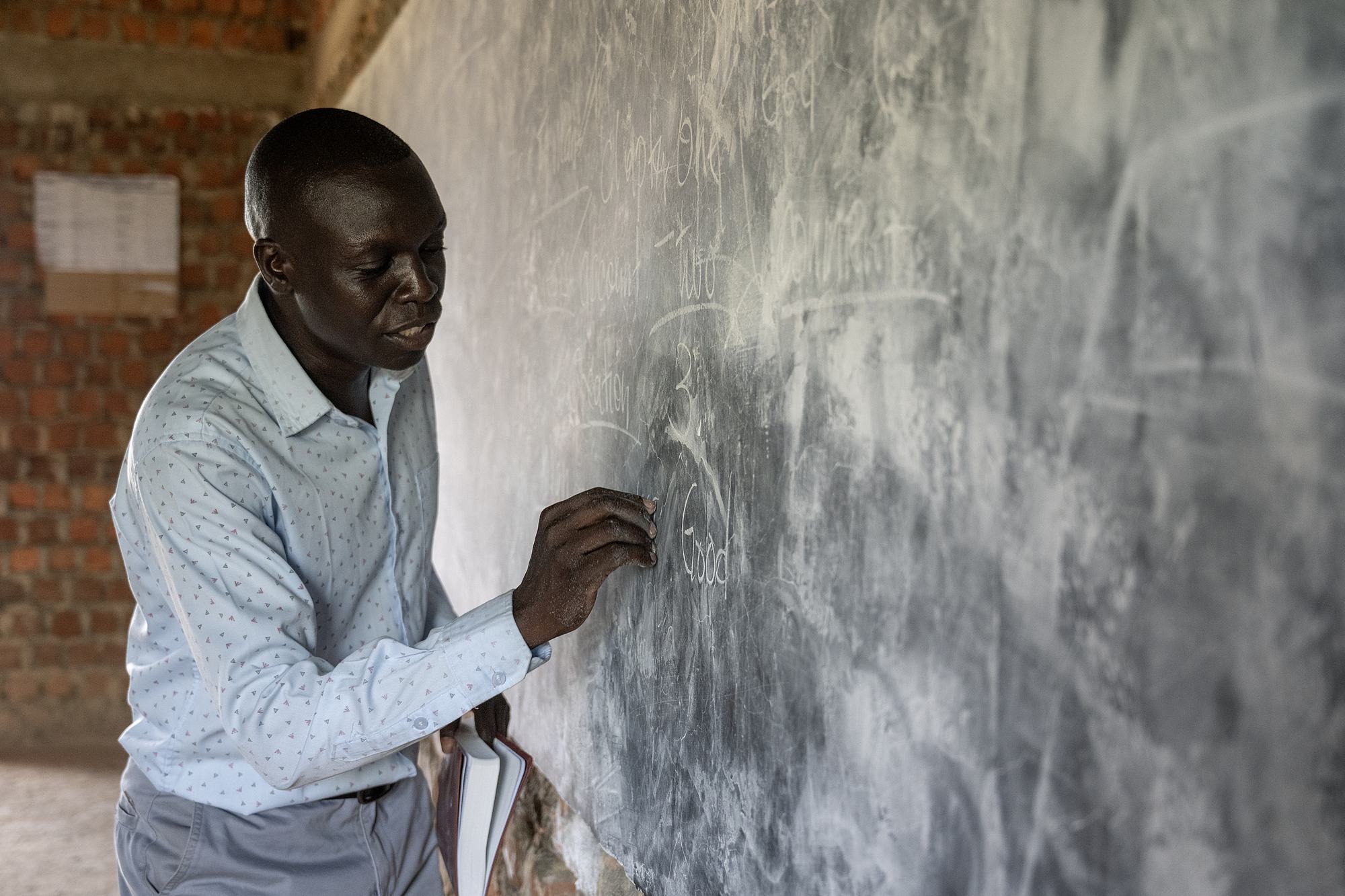
Denis Tuape, Principal of NEATS. For years he rode a bus ten hours each way to be with his family in Uganda between sessions; partners have now funded his flights instead.
04 · A Graduate
One story of more than a thousand
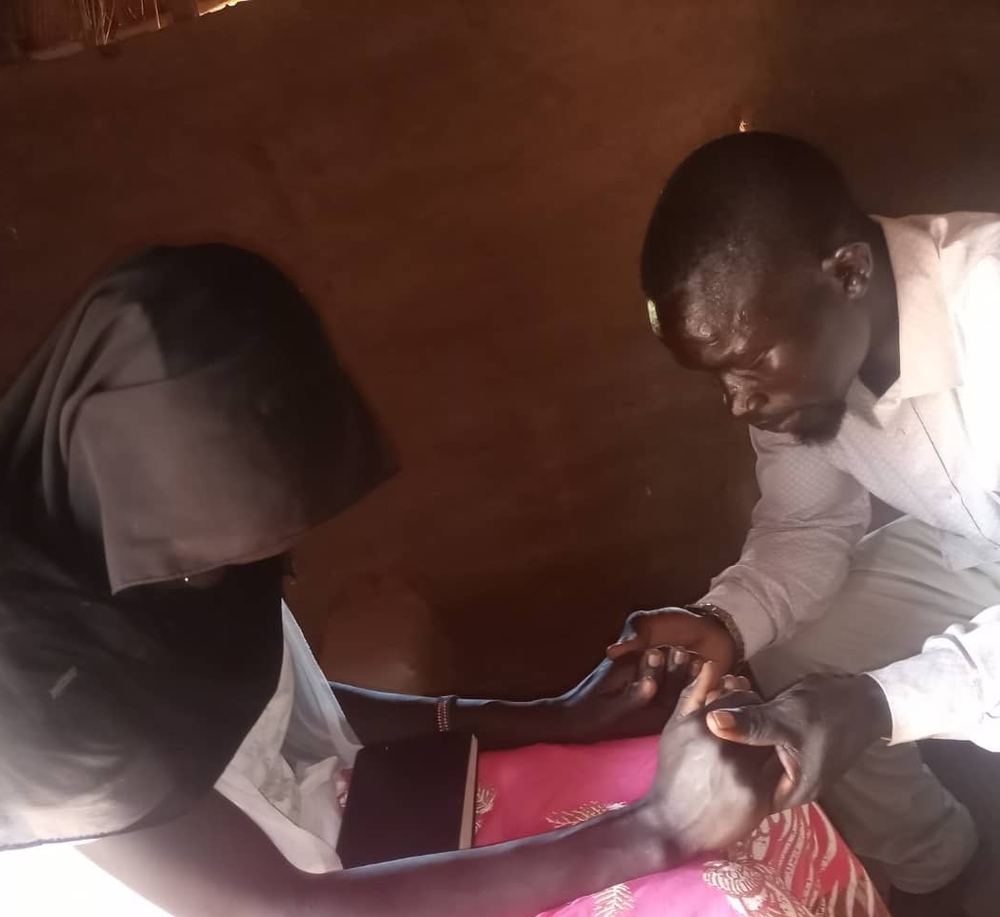
Peter grew up Muslim. When he came to faith in Christ, his brother destroyed his Bibles and friends warned him it could cost his life. He enrolled at NEATS through a local pastor, and today he preaches in villages where Christians were once banned.
“No one gave me anything to leave Islam. I wasn’t bribed. I heard the voice of God. I read His Word. I saw that Christians loved me. I chose Jesus.”
Peter · NEATS Graduate
Join the Work
Three ways to take part
Stand with NEATS.
Sponsor a student
Most NEATS students are sent by churches that see their gifting but cannot fund their training. A sponsorship covers everything: transport to Kajo Keji, tuition, room, and board.
- One term $270
- One full year $1,075
- Two-year Certificate $2,150
- Four-year Diploma $4,300
Teach at NEATS
Trips regularly bring pastors and teachers to serve alongside the NEATS faculty, on the Kajo Keji campus or at an extension training center. Come teach. You’ll come home having learned more than you taught.
- Go while students are on campus for classes
- Teach alongside the NEATS faculty
- Kajo Keji campus or an extension training center
- Return carrying the students’ stories with you
Build the campus
NEATS began under trees, and its students still eat under them. This year the school turned away more than 300 applicants for lack of space. There is good news: the next men’s dormitory is fully funded, and construction begins this year.
Three projects remain:
- Two classroom blocks $630,000
- Covered dining hall & kitchen $415,000
- Permanent faculty housing $225,000
The dining hall is also required for the seminary’s next level of registration with South Sudan’s Department of Religious Affairs. If your family, church, or foundation would like to take on one of these projects, we would love to talk.
Start a Conversation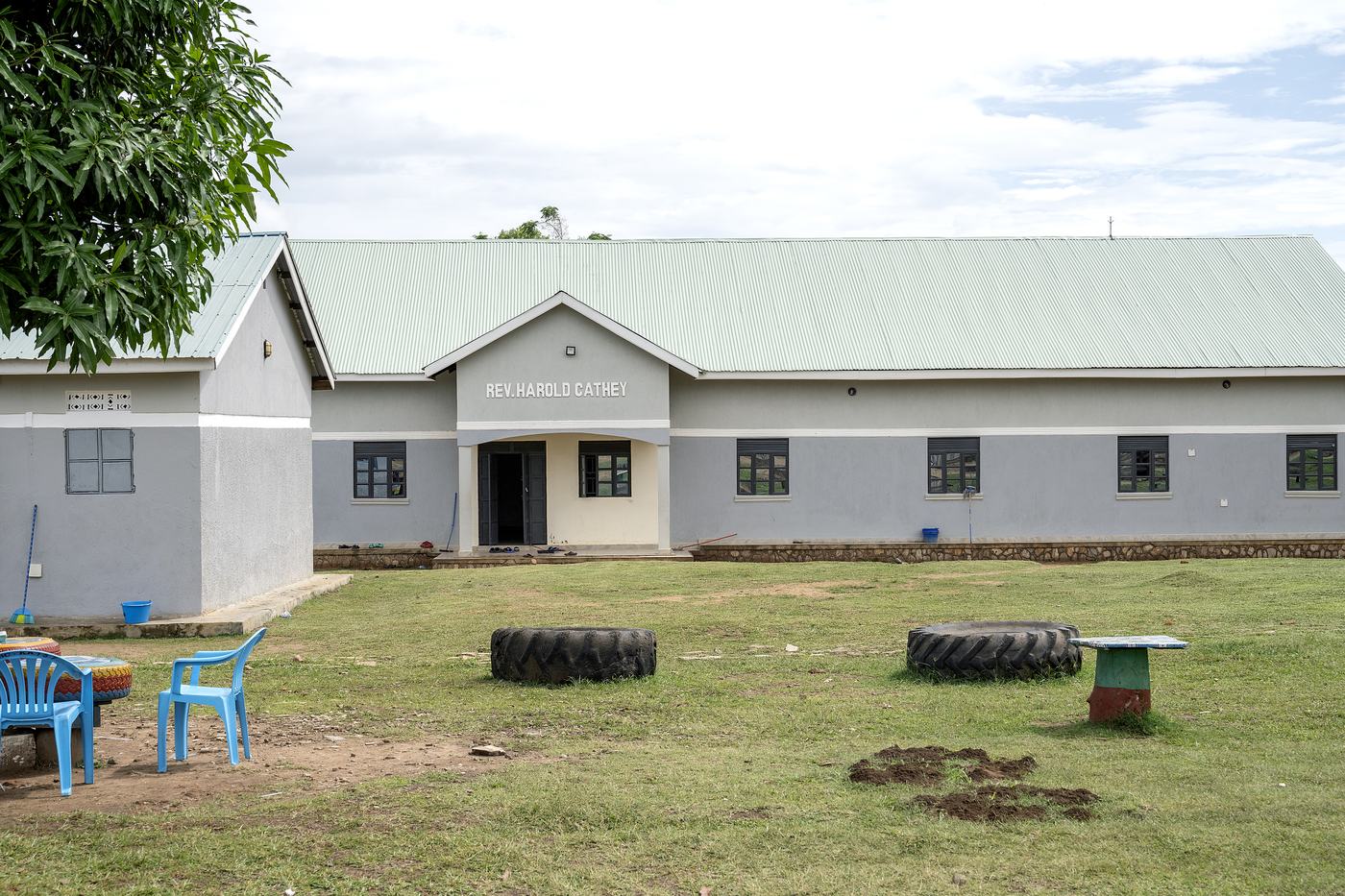
We credit God for everything He has done through NEATS.
“Those who have never been told of him will see, and those who have never heard will understand.”
Romans 15:21