It started with ten churches and an honest question.
For twenty years, African leaders have carried the gospel into some of the hardest places on earth. Here is the short version. When you have time, the long one is worth it.
Read the full story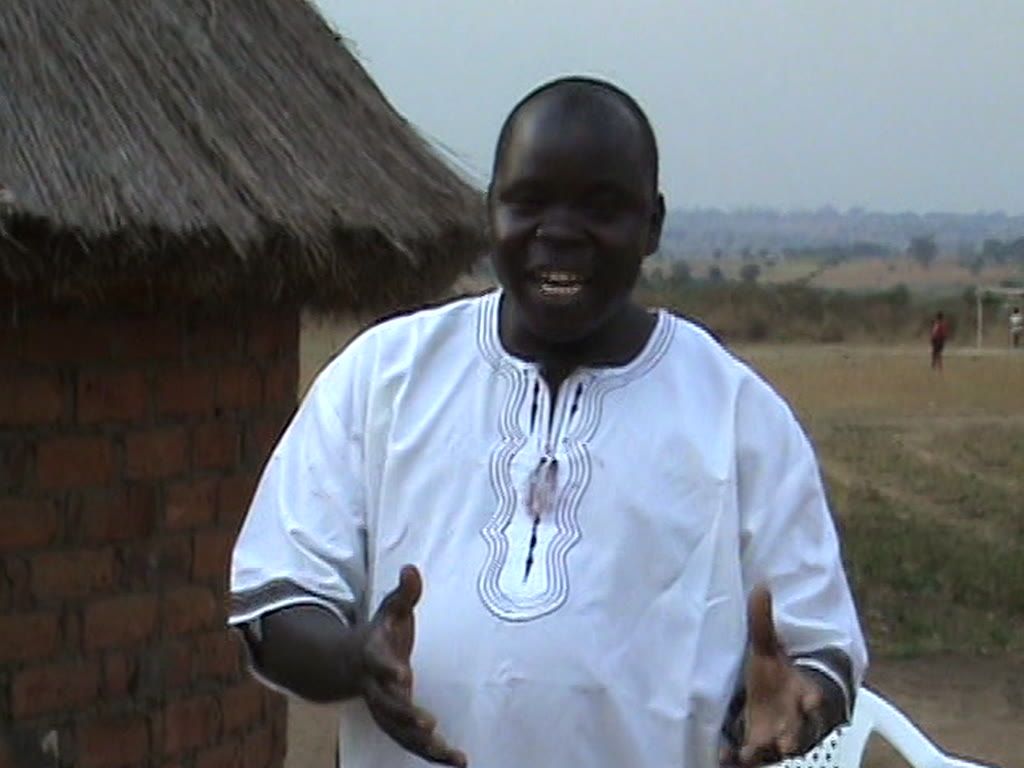
After the war, a decision to train
A twenty-three-year civil war had just ended in Sudan. David Kaya, a young church planter from Kajo Keji, had started ten churches and felt stuck. There were far more villages than there were leaders to reach them, and most leaders had grown up in refugee camps or cattle camps where survival came first. Standing among East African directors in Kigali, David said it plainly: “I don’t have anything like that.” That honesty is where this story begins.
Seventeen students, three trees
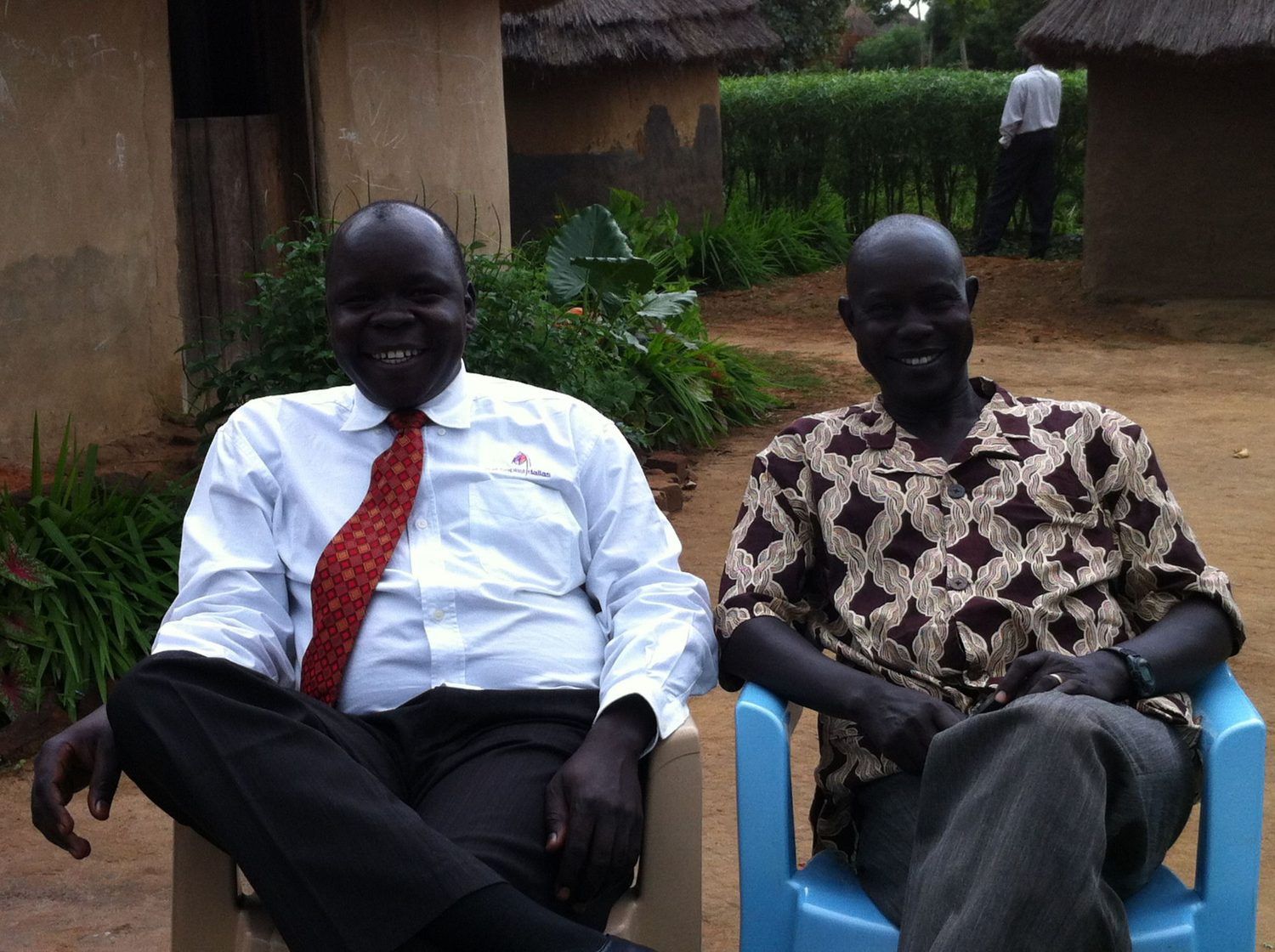
David and Edward Dima had been dreaming of a different kind of school. Not a seminary that kept men in classrooms, but a place that trained them in the field and sent them out. In March 2007 they started it. Seventeen students met under three mango trees for shade, and Joyce Muraa ran the office from a mud-walled tukel. They called it North East Africa Theological Seminary. Its students preached, discipled, and planted churches while they studied.
The ministry stands on its own
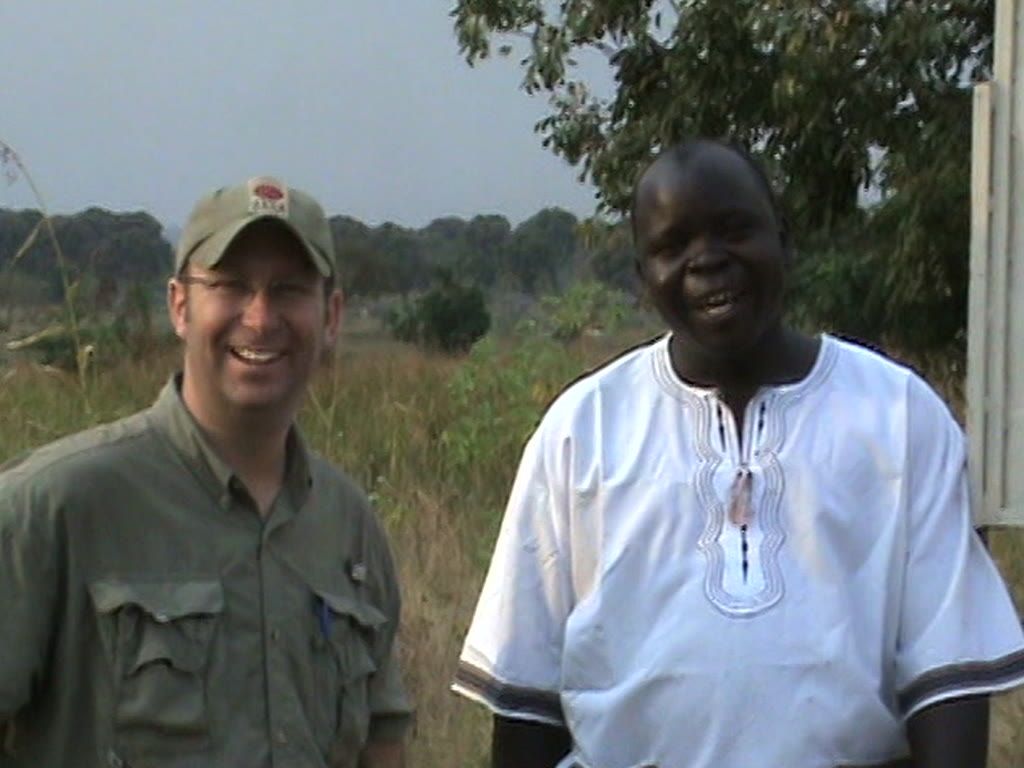
By 2012 the work had outgrown the agency that first housed it: a Bible school, Christian schools, a sewing center, a women’s ministry, and more than forty staff across Africa. David Kaya and Mike Congrove stepped out to build something that could carry the weight. It launched as Empower Sudan, and two years later took the name it still carries today.
The war returns
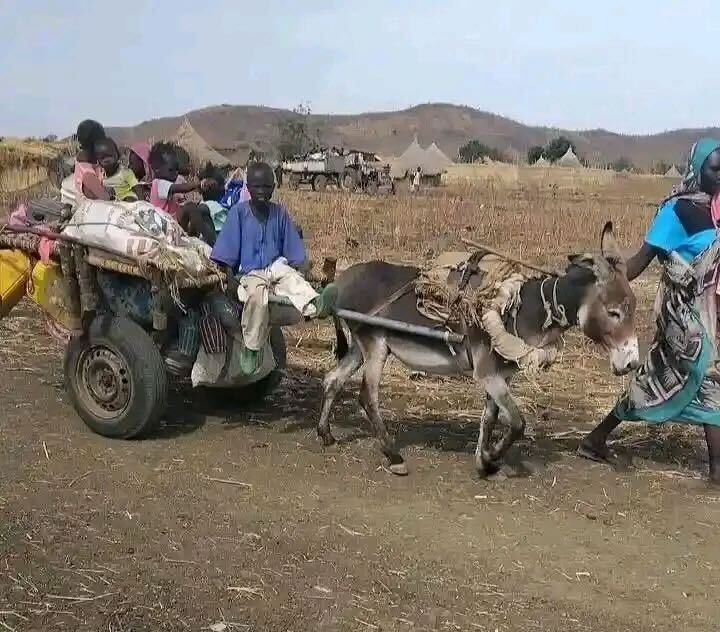
That December, South Sudan fell back into civil war. In Baliet, Pastor John Monychol and his family packed what they could and fled north across open plains as gunfire followed them from the river. Thousands walked into refugee camps in northern Uganda, camps that had only just emptied from the last war. Empower One sent emergency funds and followed its leaders into the camps. When the church moved, the ministry moved with it.
More in one year than the decade before
Displacement would not stop the gospel, it would carry it. Two-person teams rode motorbikes into remote villages with solar-powered film kits. In a single year, more than sixty-two thousand people professed faith in Christ. The refugee camp, the last place anyone would have chosen, became one of the most fruitful.
The first Flagship centers open
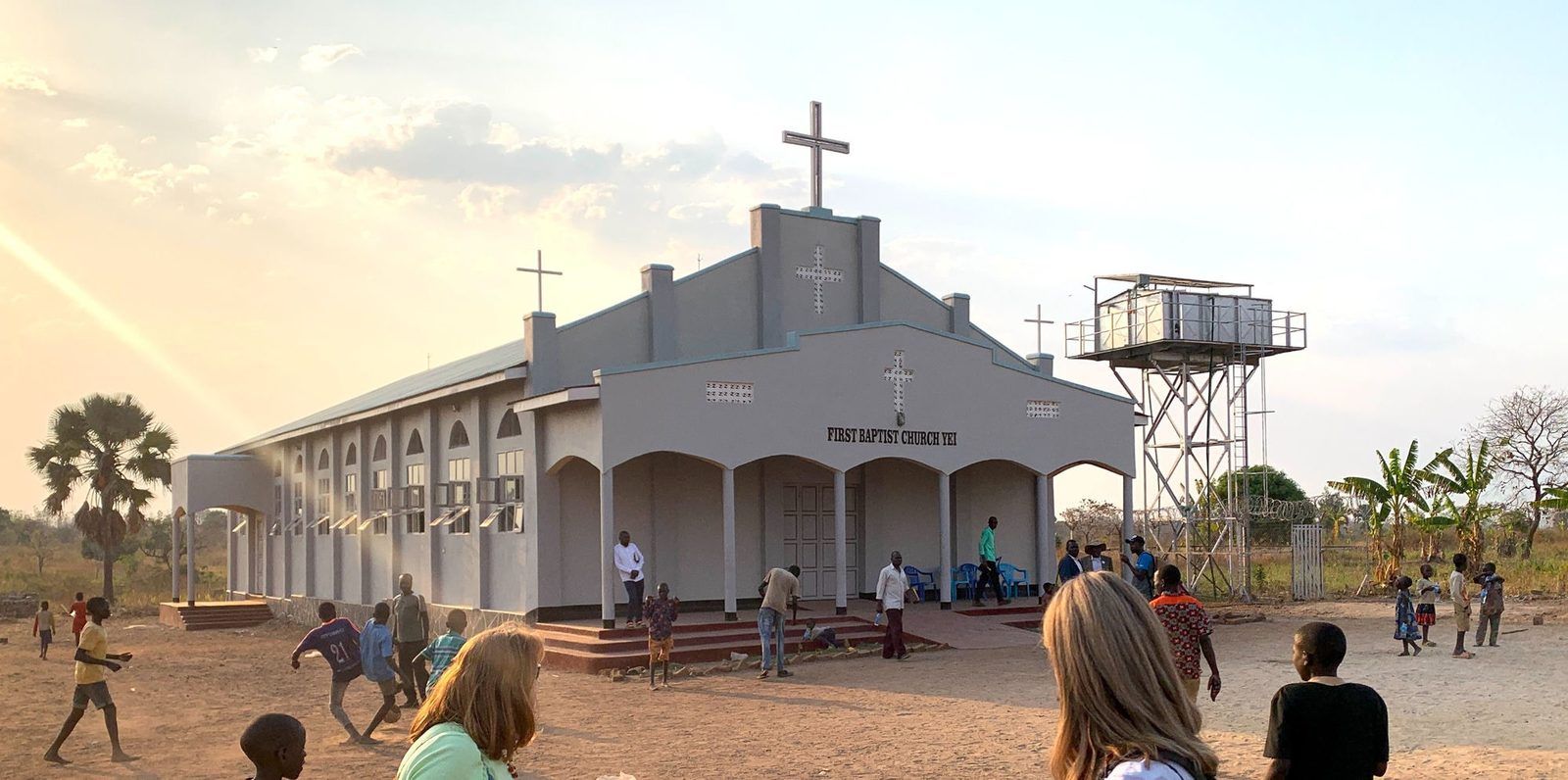
In 2022 the team looked hard at Kajo Keji, where a mother church, a Bible school, Christian schools, and clean water had grown up side by side, and asked whether the whole model could be multiplied. They called the answer Vision 2032. By 2025 the first three Flagship Church Multiplication Centers were dedicated, in Yei, Malakal, and Kajo Keji, each one built to plant fifty more churches around it.
Fifteen centers. Seven hundred fifty churches.
The plan is fifteen Flagship centers across South Sudan, Sudan, and DR Congo. Each anchors a mother church and plants fifty more, seven hundred fifty village churches in all, with a Bible school, a primary school, a clinic, and clean water at every hub. The aim is that each center comes to sustain itself and the churches around it. African leaders drew this map, and the work is already underway.
Twenty years in, the numbers are real.
Behind every number is a name.